Subtotal ₹0.00


Consulting services can provide valuable insights, strategic guidance, pecialized
1901 Shiloh, Hawaii 81063
🏛️ Part of Dr. VBN Digital Health Ecosystem - Traditional Tamil wisdom meets modern healthcare
Consulting services can provide valuable insights, strategic guidance, pecialized
1901 Shiloh, Hawaii 81063
🏛️ Part of Dr. VBN Digital Health Ecosystem - Traditional Tamil wisdom meets modern healthcare
 Wellness & Educational
மேய்ப்படமும் செயல்பாட்டு ஆரோக்கிய விளைவுகளும்
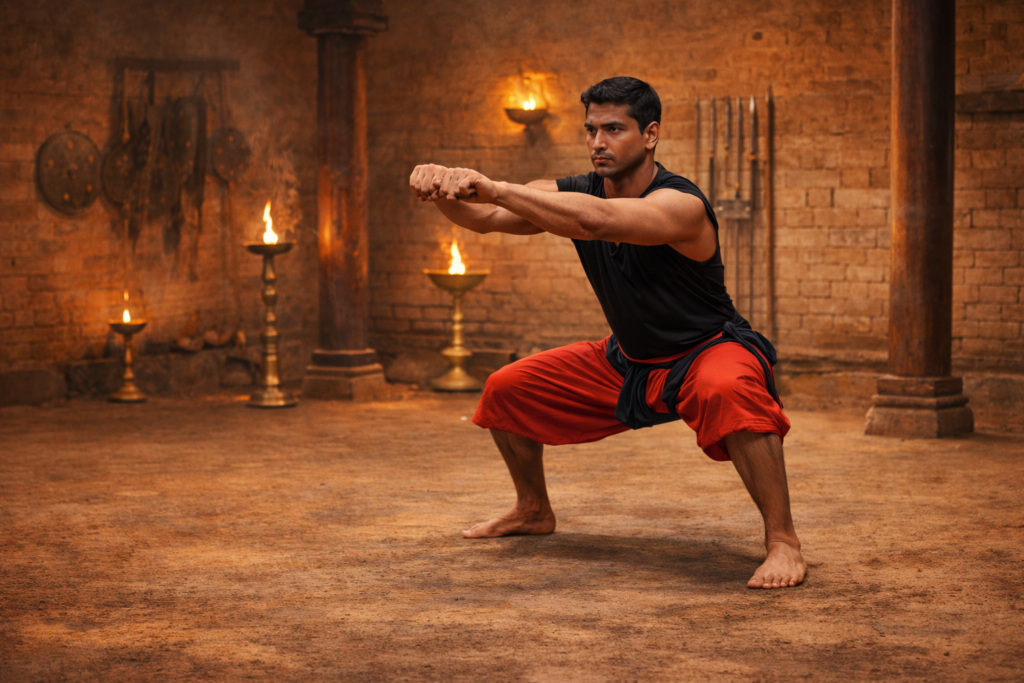

Meipadam uses instinctive human movement patterns and has a short learning curve with minimal memorization. Yoga requires learning multiple postures, while Tai Chi involves memorizing long, structured movement sequences, which may be challenging for beginners.
Meipadam can be practiced standing in one place, making it particularly safe for elderly individuals, diabetics with neuropathy, and those with balance concerns. Yoga postures may strain joints if not modified correctly, while Tai Chi’s continuous stepping can pose balance challenges for some seniors.

Meipadam engages large muscle groups such as the thighs, hips, and core, providing moderate aerobic stimulation and improved glucose utilization. Yoga offers variable metabolic benefits depending on style, while Tai Chi generally provides mild to moderate cardiovascular stimulation.
Meipadam strongly improves both static and dynamic balance without requiring forward locomotion, reducing fall risk. Yoga enhances static balance, while Tai Chi improves dynamic balance but involves continuous movement and stepping.
Meipadam is easily scalable and suitable for children, adults, the elderly, and even the very elderly through simple modifications. Yoga’s suitability depends on posture choice, and Tai Chi may be less suitable for children and very frail individuals.
Meipadam is culturally indigenous and functional in nature, encouraging consistent, long-term practice. Yoga, though Indian in origin, may feel complex to beginners, while Tai Chi can feel culturally unfamiliar to some practitioners.
From an Ayurvedic standpoint, ageing and chronic conditions are associated with increased Vata predominance. Grounded, controlled movements such as Meipadam help pacify Vata, whereas excessive static holding or excessive locomotion may aggravate imbalance in vulnerable individuals.
Meipadam uses natural human movement patterns, can be practiced safely in one place, and is easily adaptable across age groups. It supports metabolic health, balance, and mental well-being while encouraging regular, long-term practice in a culturally accessible manner.
Therapeutic Benefits of Meipadamமூத்தவர்கள் மற்றும் நீண்டநாள் நோய்களுக்கான மேய்ப்படத்தின் ஆரோக்கிய நன்மைகள்